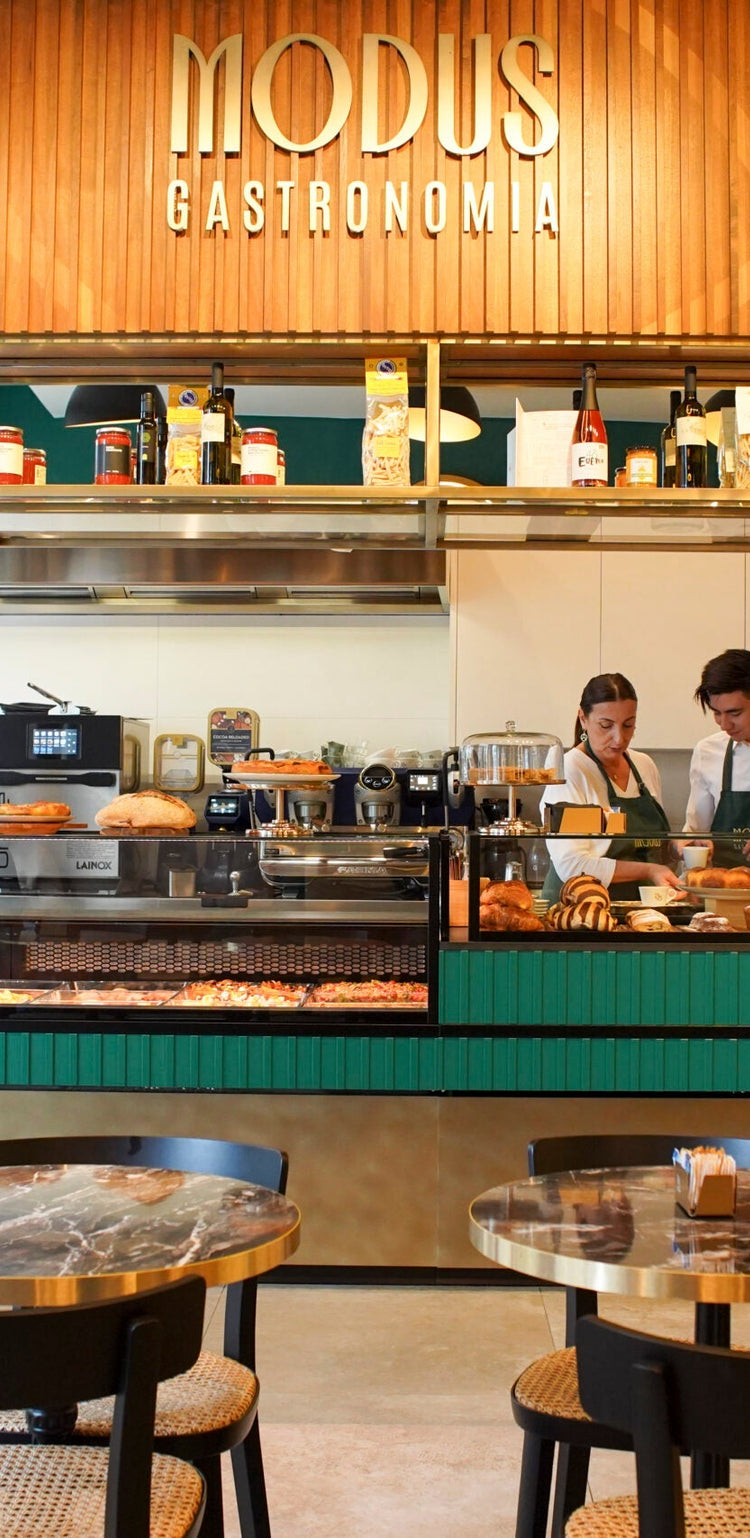
“My gastronomic Cilento”: these are the words Paolo De Simone uses to describe what he has brought to Milan: a specific Cilento—that of Pisciotta, the Cultivator Custodians of the Park, the Menaica anchovies, and the Madonna dell'Olivo oil mill in Serre. A precise gastronomic narrative, built over thirty years, made of relationships with real people in real places.
What is Paolo De Simone's gastronomic Cilento?
The gastronomic Cilento is the collection of knowledge, relationships, and practices that define the cuisine of a territory. In the case of Cilento, this means the tradition of the Mediterranean Diet, a UNESCO World Heritage site since 2010, applied to the everyday routine of a kitchen that is at work every single day.
For De Simone, the gastronomic Cilento is the territory where he learned to cook, to make bread, and to select ingredients. It is the place where producers have names and stories: the oil from Madonna dell'Olivo, a mill in Serre; the durum wheat flours from the Azienda Agricola Cammarano Lucia in Roccadaspide; the pasta from Terra Dura.
How did the Cilento gastronomic narrative of Modus originate?
Modus was born from a long journey. In 2010, De Simone founded Storie di Pane in Vallo della Lucania: a bakery, shop, and wine bar featuring a wood-fired oven, ancient grains bearing the Park's seal, and a network of local producers built piece by piece. Storie di Pane is still active and serves as the heart of the Cilento gastronomic narrative at Modus.
When De Simone opened Modus in Milan in 2022, he brought that network with him and continued to work with the same people from Cilento, using the same oil and the same preserves. The Cilento gastronomic narrative of Modus is continuous over time: what people ate at Storie di Pane in Vallo della Lucania in 2010 and what people eat at the Modus gastronomies in Milan today come from the same producers.
What does it mean to bring the gastronomic Cilento to Milan?
It means choosing raw materials without compromise. Milan is a city where everything is available: you can find Campanian ingredients in every market and products from the South in every supermarket. De Simone has maintained the Cilento supply chain even when it was more expensive and logistically complicated.
The result is that Modus in Milan is a real piece of Cilento: the same oil, the same anchovies, the same legumes that are found in Cilento. For a Milanese person who has never visited Cilento, eating at Modus is the closest thing to actually being there.
Who are the protagonists of Modus' gastronomic Cilento?
The Cilento gastronomic narrative of Modus has specific protagonists. Madonna dell'Olivo for extra virgin olive oil, from the Serre mill. The Azienda Agricola Cammarano Lucia of Roccadaspide, in the Calore Valley, for durum wheat flours. Terra Dura for pasta, from lagane to carob pasta. Francescantonio Cavalieri for chestnut honey from Roccagloriosa, on Mount Bulgheria. Nicola Di Novella, custodian of the Cilento herbal tradition, along with his son Riccardo, for wild herbs.
And then the fishermen of Pisciotta and Camerota with their Slow Food Presidium Menaica anchovies, the producers of Gioi soppressata, the cheesemakers of Podolica caciocavallo, and the artisans of organic tomato preserves. Each of these names is a story, and each story is a chapter of the Cilento gastronomic narrative of Modus.
Which dishes best tell the story of the gastronomic Cilento at Modus?
The Primavera Cilentana (Cilento Spring) is the signature dish: Menaica anchovies, mozzarella wrapped in myrtle leaves, zucchini flowers, and yellow cherry tomatoes. In a single dish, there is the coast (the anchovies), the hinterland (the mozzarella), and the season (the zucchini flowers and yellow cherry tomatoes).
The bread at the gastronomies is another chapter of the narrative: every morning, it is the same bread that De Simone used to make at Storie di Pane. Homemade sourdough, flours from Cilento, and an oven. It is the founding act of the project.
The legumes served at lunch in the gastronomies—Controne beans, chickpeas, and lentils—tell the story of good, humble Cilento cuisine. They are the same legumes that Cilento grandmothers cooked for hours, using the same extra virgin olive oil and the same rosemary. Every dish comes from that memory.
Where is the gastronomic Cilento of Modus heading?
The Cilento gastronomic narrative of Modus continues. New articles, new producers to discover, and new seasons to tell. Cilento is a territory that still has much to offer: forgotten varieties, techniques to be recovered, and lesser-known producers who deserve visibility. Modus is one of the few Milanese projects that maintains a direct link with that territory, and the story is still long.
Those who wish to follow the Cilento gastronomic narrative of Modus can do so through the Modus Journal, where we publish articles about the producers, the ingredients, and the stories behind the dishes. And soon, Cilento will arrive at your home, too.
Frequently asked questions
What is Cilento cuisine?
Cilento cuisine is the gastronomic tradition of Cilento, a territory in southern Campania that coincides with the Cilento, Vallo di Diano and Alburni National Park. It is the cuisine of the Mediterranean Diet in its most literal sense: legumes, ancient grains, seasonal vegetables, blue fish, extra virgin olive oil, and small-batch dairy products.
Where can one eat authentic Cilento cuisine in Milan?
The Modus gastronomies on Corso Italia and Via Pirelli, and the Modus pizzerias on Via Andrea Maffei and Corso Magenta, are the four Milanese addresses where Cilento cuisine is offered with ingredients sourced directly from the Cilento supply chain. In November 2026, the gastronomy on Via Colonnetta 5 will be added.
What distinguishes Cilento cuisine from Neapolitan cuisine?
Neapolitan and Cilento cuisines share some roots, but they differ in ingredients and traditions: Cilento cuisine is more linked to products from the hinterland (ancient grains, legumes, mountain cheeses) and the preservation techniques of peasant tradition, while Neapolitan cuisine is more urban and more tied to products from the Campanian plains.
Is Paolo De Simone from Cilento?
Yes. Paolo De Simone was born in Pisciotta, in the heart of Cilento. He founded Storie di Pane in Vallo della Lucania in 2010 before bringing the project to Milan with Modus in 2022.