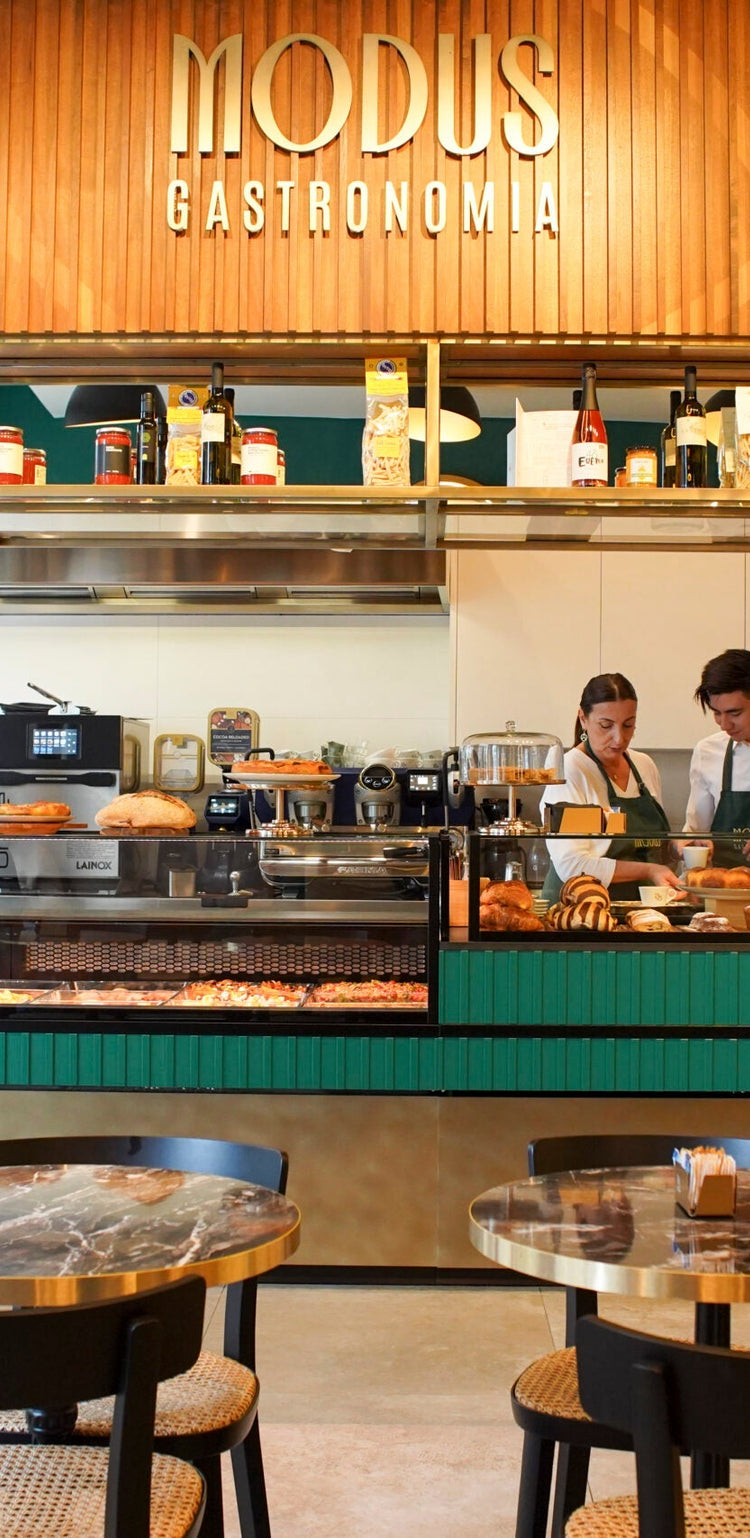
The ingredients that arrive in Modus kitchens come from Cilento, through the network built over thirty years by Paolo De Simone, who knows every producer he works with by name. Modus orders directly from the producers, with scheduled deliveries and relationships of trust built over time. What you find on the shelves of the gastronomies is the result of this network.
What are Cilento products?
Cilento products are foods grown, processed, or caught in the territory of the Cilento, Vallo di Diano and Alburni National Park, in the province of Salerno. Cilento is one of the most biodiverse regions in Italy: the combination of mountains, hills, and the coastline, the protection of the National Park, and a thousand-year-old agricultural tradition have preserved varieties and production techniques that have disappeared elsewhere.
Many of these products are protected by European certifications (DOP, IGP) or by Slow Food Presidia, which guarantee their authenticity and traditional production methods. Among the best-known: Cilento DOP extra virgin olive oil, Cilento DOP white fig, Menaica anchovies (a Slow Food Presidium), the Controne bean (a Slow Food Presidium), Caciocavallo Podolico cheese, and mozzarella nella mortella.
Which Cilento products does Modus offer?
Modus gastronomies offer a complete selection of Cilento products. Extra virgin olive oil from Cilento by Madonna dell'Olivo, Iannicelli, and Fattoria Ambrosio is the base for almost every preparation. The durum wheat pasta from Terra Dura includes typical Cilento shapes such as fusilli, cavatelli, and lagane.
Preserves include organic tomatoes from Maida, both peeled and as passata. Oils and salted goods include Menaica anchovies (also in salt), anchovy extract (colatura), Palinuro tuna, and crushed olives (olive ammaccate). Legumes and grains include Controne beans, Cicerale chickpeas, cicci maritati (mixed grain soup), and hulled spelt. Cured meats include the soppressata di Gioi and capicollo. Among the cheeses, there is the semi-aged goat cacioricotta from Tenuta Principe Mazzacane.
Who are the Cilento producers for Modus?
The network of producers that supplies Modus was built by De Simone over the course of thirty years. The main points of reference in the supply chain:
Madonna dell'Olivo produces extra virgin olive oil in their mill in Serre (SA), next to a 16th-century sanctuary. The olives are pitted and cold-pressed, and the oil is bottled only when ordered.
Terra Dura produces the durum wheat pasta in the Modus selection: fusilli, cavatelli, lagane, and carob pasta. The durum wheat flour, including whole wheat, comes from Azienda Agricola Cammarano Lucia in Roccadaspide, in the Calore Valley.
Francescantonio Cavalieri produces chestnut honey in Roccagloriosa, on Mount Bulgheria. The hulled spelt in the Modus selection also comes from him.
Behind every product, there is a name and a face: traceability is the condition De Simone sets for all his suppliers.
How does the Modus supply chain from Cilento to Milan work?
The Modus supply chain is short by definition: from the Cilento producer to Modus kitchens, without intermediate wholesalers. Deliveries occur on a scheduled frequency: fresh products (bread, vegetables, dairy) arrive on a weekly or bi-weekly basis; processed products (pasta, preserves, oil, cured meats, aged cheeses) are ordered in larger batches on a monthly basis.
This system has a higher-than-normal logistical cost, but it guarantees two things impossible through large-scale retail: the freshness of perishable products and a direct relationship with those who produce them. De Simone visits the producers in Cilento regularly: this is his quality control.
Which Cilento products have DOP, IGP, or Slow Food certifications?
The Cilento territory has a high number of certified products. Among those present in Modus gastronomies:
DOP (Protected Designation of Origin): Cilento DOP White Fig, Dottato cultivar, in the "infilatelle" (threaded) style from Cardone in Prignano Cilento.
Slow Food Presidia: Menaica Anchovies (caught using the traditional 'menaica' net and processed in Pisciotta), Controne Beans (grown on the slopes of the Alburni mountains since the 16th century), Cicerale Chickpeas.
Many small producers work according to traditional methods that are verifiable even without formal certification. In these cases, the guarantee is De Simone's direct relationship with the producer.
How to find Cilento products in Modus gastronomies?
Modus gastronomies in Milan, on Corso Italia and Via Pirelli, have a dedicated space for the sale of Cilento products. The display area is adjacent to the gastronomy counter: you can eat on-site and buy the same ingredients to take home. The staff at the gastronomies know every product they sell: they are accustomed to talking about them, explaining their origin, and recommending how to use them.
Where can I find Cilento products?
Cilento products from the Modus network can be found in the gastronomies on Corso Italia and Via Pirelli. Soon, they will arrive at your home, too.
Frequently asked questions
Are Modus Cilento products organic?
Some are certified organic, such as the Maida tomato, the Iannicelli Avanzamento oil, and the Fattoria Ambrosio CRUX oil. For other products, the guarantee is the direct relationship with De Simone and the traceability of the supply chain.
What is meant by a short supply chain?
A short supply chain means that there are as few intermediate steps as possible between the producer and the customer. Modus buys directly from Cilento producers, without wholesalers: this reduces intermediate margins, guarantees freshness, and allows for full traceability.
Are Modus Cilento products also found in supermarkets?
The complete selection from the Modus network can only be found in Modus gastronomies in Milan.
How do you recognize a Cilento DOP extra virgin olive oil?
Cilento DOP extra virgin olive oil must bear the DOP logo on the label. It is produced exclusively with olives from cultivars permitted in the Cilento specifications (Pisciottana, Rotondella, Ogliarola, Frantoio, Salella, and Leccino), coming from registered olive groves in the delimited production territory.