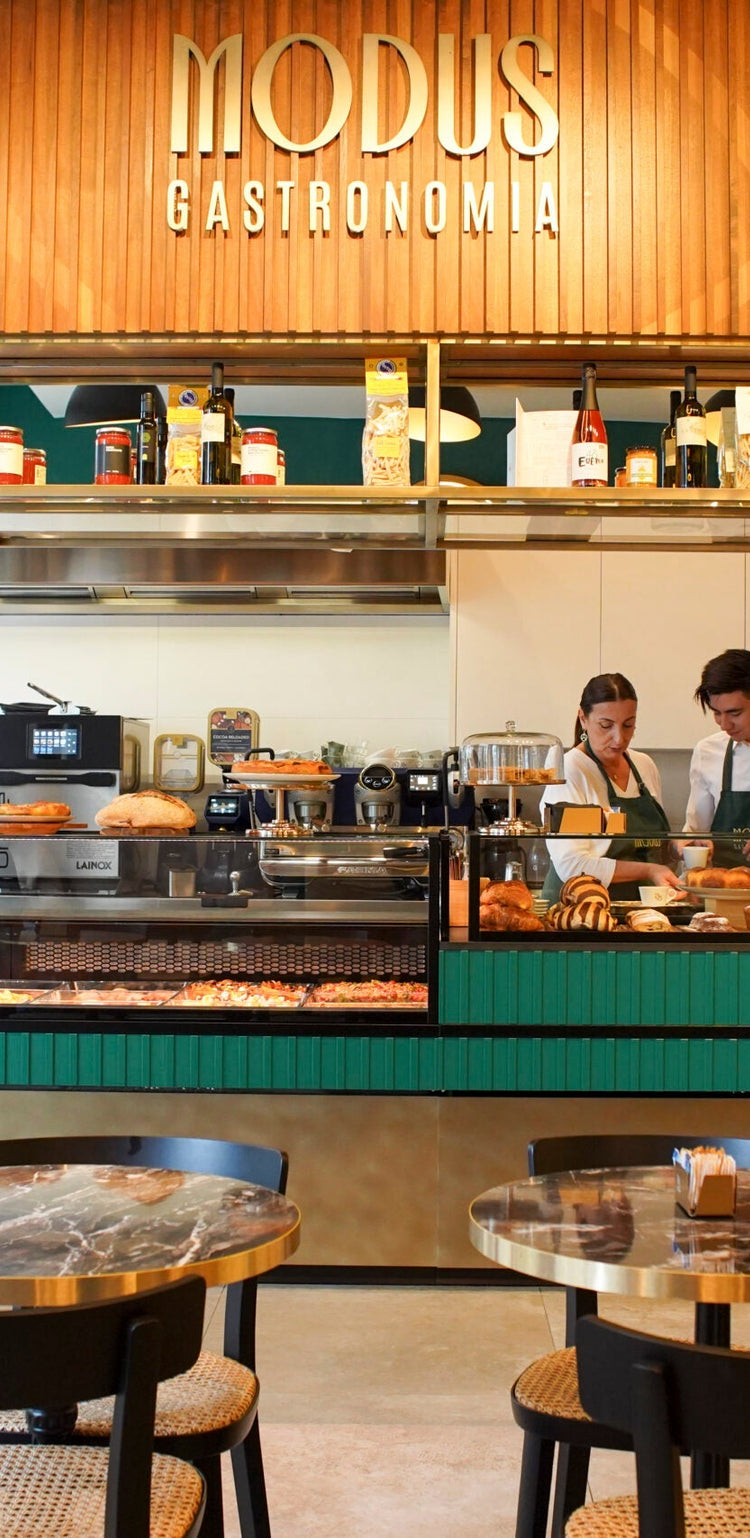
Ancient Cilento grains are native varieties grown in the Cilento National Park for centuries, which nearly disappeared with the agricultural modernization of the 1960s and 1970s and have been recovered today by a network of guardian farmers who keep them alive. Modus Milano uses a stone-ground, whole-wheat flour made from native Cilento grains in its sourdough pizza dough, prepared "the old-fashioned way." Paolo De Simone has known these grains since he was a child in Pisciotta.
What are ancient Cilento grains?
Ancient Cilento grains are varieties of soft and durum wheat selected and grown in the Cilento region over centuries, before the Green Revolution of the 1950s and 1960s mandated the use of modern, high-yield varieties. These grains, which remained outside of modern genetic selection, preserve the original composition of the seed, with a different protein profile (less gliadin, the protein most associated with gluten intolerance), a greater wealth of micronutrients, and distinct organoleptic characteristics.
The term "ancient grains" refers to varieties that have not been artificially hybridized, generally dating back to before the mid-20th century. In the case of the Cilento, some of these varieties are registered in the National Registry of Conservation Varieties and are grown under the Cilento National Park Trademark, which guarantees their origin and adherence to traditional methods.
Which ancient grain varieties grow in the Cilento?
Ancient Cilento grains include several local ecotypes of soft and durum wheat, selected over centuries by local farmers.
These varieties have taller stalks than modern varieties, are less resistant to lodging, and grow without pesticides or chemical fertilizers. They yield less per hectare than modern wheat, but the quality of the flour obtained from stone milling is incomparably superior in terms of aroma, digestibility, and nutritional complexity.
What are the differences between ancient grains and modern flours?
The main difference is structural. Modern flours are produced using varieties selected to maximize agricultural yield and technical characteristics—specifically the quantity and quality of gluten needed for industrial bread-making. This has resulted in flours that perform very well in mechanical processing, but with an impoverished nutritional profile (especially due to the loss of bran and germ during refining) and higher concentrations of gliadin.
Stone-ground ancient grain flours retain the germ and part of the bran, which are eliminated in industrial processes to extend shelf life, and they possess different protein profiles. The result in baking is a product with a more complex aroma, a more pronounced crust, and greater digestibility.
Who guards the biodiversity of ancient grains in the Cilento National Park?
The network of Guardian Farmers of the Cilento, Vallo di Diano and Alburni National Park is the primary bulwark of local agricultural biodiversity. These farmers sign an agreement with the Park that commits them to growing native varieties using traditional methods. In return, their products receive the Park Trademark, which certifies their authenticity and origin.
Who produces Modus’s Cilento flours and pasta?
The flours in the Modus selection—the durum wheat flour and the whole-wheat durum flour—come from the Azienda Agricola Cammarano Lucia in Roccadaspide, in the Calore Valley. The whole-wheat flour is ground with the bran, germ, and heart of the grain, perfect for homemade bread and focaccia. The durum wheat pasta, including fusilli, cavatelli, lagane, and carob pasta, comes from Terra Dura, in the Cilento.
With both producers, the supply chain is transparent and verifiable: you know who grew the grain and who processed it. This traceability is what De Simone demands from all his suppliers. Cilento flours can also be found at Modus gastronomies.
How are ancient grain flours used in cooking?
Ancient Cilento grain flours behave differently than commercial "00" flours: they absorb less water, have less strength (a lower W value), and require different processing times. For this reason, these are flours for those who have time to dedicate to the dough.
With an active sourdough starter and fermentation between 24 and 48 hours, ancient grain flours produce bread with an irregular but pronounced crumb, a thick crust, and a slightly acidic flavor that is the result of slow fermentation. For pasta, ancient durum wheat semolina is used: the resulting pasta has a rougher texture and holds up better during cooking. Terra Dura durum wheat pasta can be found at Modus gastronomies.
Where can I find Cilento flours?
The durum wheat flours from Azienda Agricola Cammarano Lucia can be found at Modus gastronomies in Milan, on Corso Italia and Via Pirelli, where you can speak directly with those who use them every day in the kitchen. They will soon be available to be shipped to your home as well.
Frequently Asked Questions
Are ancient Cilento grains gluten-free?
No. Ancient Cilento grains contain gluten. They have a different protein composition compared to modern varieties, with less gliadin, and many people find them more digestible, but they are not suitable for those suffering from celiac disease.
What are the most well-known ancient Cilento grains?
They consist of various local ecotypes of soft and durum wheat, native to the Cilento National Park area.
What does stone-ground mean?
Stone milling takes place at a low speed between two millstones. This process does not heat the flour (industrial roller milling generates heat that damages the germ and fatty acids) and produces whole or partially whole-grain flour with an irregular consistency, which is more aromatic and nutritious than industrial "00" flour.
Where are ancient Cilento grains grown?
Mainly in the area of the Cilento, Vallo di Diano and Alburni National Park, in Campania. The Park's Guardian Farmers are primarily responsible for the conservation of these varieties.