An ethical project that combines scientific research, sustainable agriculture, and short supply chains to save the biodiversity of the Cilento, Vallo di Diano and Alburni National Park. Amidst mountain landscapes and extraordinary biodiversity, recognized by UNESCO as a “Biosphere Reserve,” lies the EcoMuseum of the Valley of Orchids and Ancient Crops in Sassano: not a traditional museum, but a “living” territory that preserves, studies, and passes down a unique agricultural, botanical, and cultural heritage.
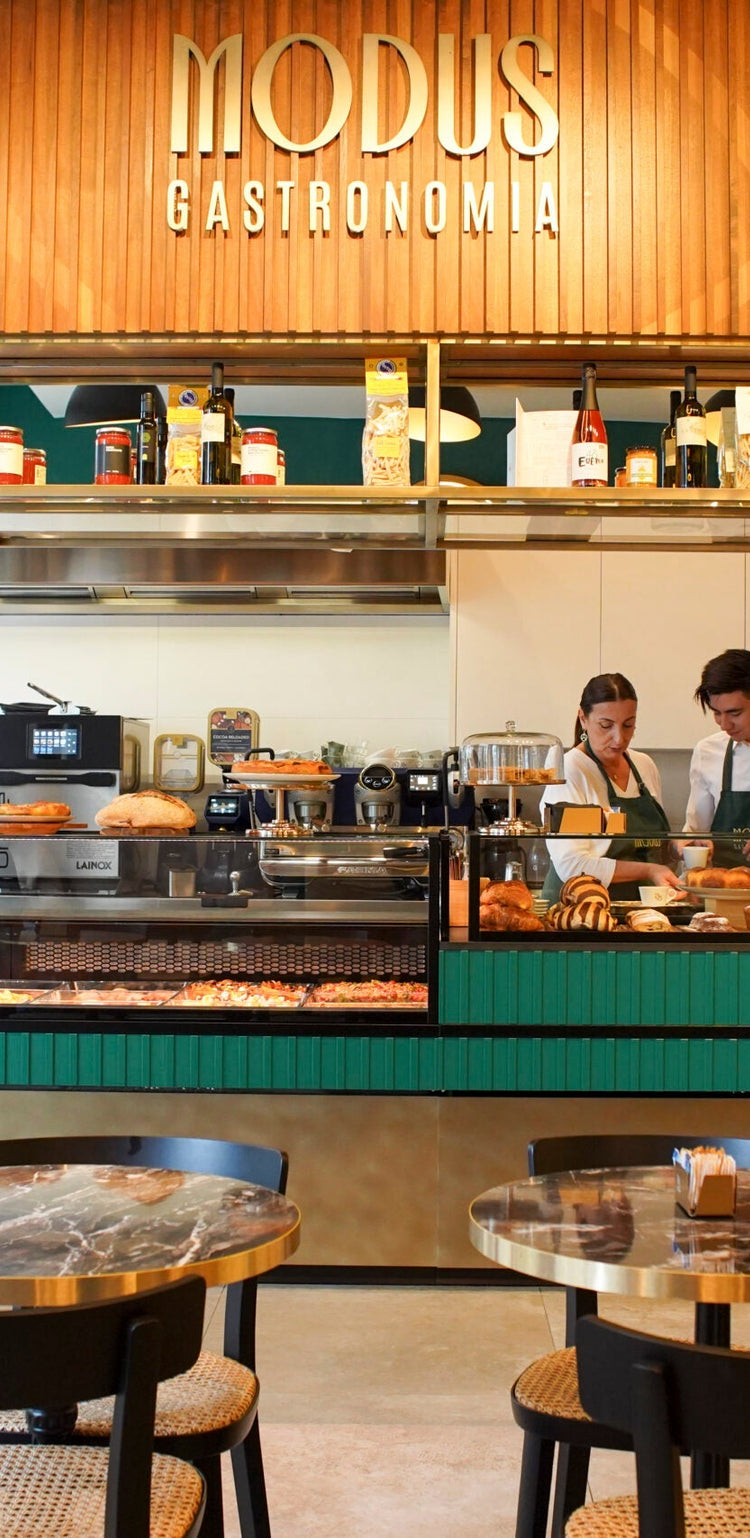
This initiative is led by the “Al Casale” cooperative, which, together with a network of guardian farmers and through collaboration with visionary figures such as Paolo De Simone, patron of the Modus Milano and Storie di Pane brands, promotes a project to safeguard local ecotypes: cereals, legumes, fruits, and vegetables that would otherwise disappear in favor of modern hybrids, but which here continue to thrive in “catalog fields” and the landscapes bordering Mount Cervati, in the Vallo di Diano, the highest peak in Campania and the green lung of the Park Area. This work is not merely scientific research or genetic conservation, but a genuine effort to protect the identity of a territory, its landscapes, its communities, and their respective traditions, such as the Mediterranean Diet, recognized by UNESCO as an Intangible Cultural Heritage of Humanity.
The EcoMuseum director, Riccardo Di Novella, a naturalist and agronomist and a key figure in the eco-museum project and local germplasm conservation initiatives, tells the story of this project, its cultural and ecological value, and the network that supports it.

Director Di Novella, what does the EcoMuseum you direct do?
“The EcoMuseum is based on the work of a group of local people who study, protect, and promote the memory of a community and its historical and contemporary relationship with the environmental resources of that territory. My family history has always been linked to the study and promotion of biodiversity: my father before me, and then I myself, dedicated ourselves to the study and protection of the wild flora found throughout the Park. It was my father who, forty years ago, realized that it was not only wild plants that were at risk of extinction, but above all local cultivated varieties. He thus began important work to survey, safeguard, and recover local ecotypes: from fruit varieties to cereal and vegetable varieties.”
How has this work evolved over the years?
“Since 2014, the Park Authority has created its own network of Seed Savers, or guardian farmers, based on this work. After the Park’s support ended, we continued this journey with the “Agroruràl – the biodiversity supply chain” project: not a supply chain created to do business, but to protect plant organisms and save them from genetic erosion. We started a seed bank for ex situ conservation and, at the same time, created an in situ conservation project thanks to a group of guardian farmers.”
Why is it so important to continue growing these seeds in their places of origin?
“Because removing an organism from its evolutionary context and keeping it in a refrigerator is not enough. It is essential that it continues to live in the places where it has adapted over centuries, and it is even more important that it is kept alive by the same farmers who, before universities and research institutions, saved those organisms that modern agriculture wanted to replace. In fact, the guardian farmers continue to grow them even though, from a production standpoint, they are not as profitable as modern varieties.”
How does the Agroruràl project actually work?
“It is a very short cereal supply chain: the guardian farmers handle the agricultural stages, and the Teggiano Stone Mill handles the stone-grinding process, according to the criteria set by the EcoMuseum, as faithfully as possible to the standards of the Mediterranean Diet ingredients studied by Ancel Keys. We produce wheat flour, soft wheat flour, Jurmàno flour—our ancient rye—and white corn flour. Small quantities, but of great cultural value.”
And this is where Paolo De Simone comes in, a key figure in this virtuous supply chain.
“Yes, Paolo truly understood the meaning of our work: we do not do it to enrich ourselves, but to save the seeds, protect local varieties, and give dignity to those who grow them. It is a choice that is not only economic, but cultural and deeply ethical. De Simone, in fact, buys the flour made from these ancient cultivars at prices well above market rates. So, instead of the usual 20–30 euros per quintal, at best, the farmers receive compensation that rewards their commitment, the technical difficulties posed by remote farming areas, the time, and the passion dedicated to crops that are often more fragile but of extraordinary historical and nutritional value. These same flours, rich in history and biodiversity, are then used in his Modus Milano culinary project, where they become bread, pizzas, and baked goods that tell the story of a territory through taste, fragrance, and quality.”

A supply chain that focuses not on quantity, but on quality…
“Yes, it focuses on memory and the future together. And it is thanks to this shared vision with Paolo De Simone that the project has continued for almost ten years, becoming a concrete example of how tradition, biodiversity, and business can coexist, supporting one another. Ultimately, what we do is not just agriculture; it is an act of cultural and civil resistance. Paolo understood it before many others: without the right economic recognition, these seeds would disappear. And with them, a piece of our identity.”
So the project has more ethical than economic goals?
“Absolutely. Our goal is to protect biodiversity, support guardian farmers who are often not even real farming businesses, keep local farming traditions alive, and combat depopulation and hydrogeological instability. It is a project that has positive effects throughout the territory because what we do is not just agriculture: it is an act of cultural and civil resistance, something Paolo De Simone understood before many others. Without the right economic recognition, these seeds would disappear, and with them, a piece of our identity.”
Are all the crops located in the Park Area?
“All the catalog fields are in the Park Area, many of them even in Area B, where there are also important restrictions on the introduction of non-native ecotypes or harmful substances: we are talking about agriculture that goes beyond organic farming.”
A project closely connected to the Mediterranean Diet?
“Certainly. The Mediterranean Diet is not just a list of foods available in any supermarket. Above all, it is a lifestyle, and from a strictly dietary perspective, it is a regimen based on foods that, in the 1950s and 60s, were commonly consumed and easily available. Foods grown or harvested directly from our natural environment, therefore the product of a territory, but also of local knowledge and expertise that the American physiologist Ancel Keys, the father of the Study, decided to observe closely by moving to Cilento. To lose that knowledge, those foods, and therefore those seeds would mean losing the Mediterranean Diet. Paolo De Simone, as an Ambassador of the Mediterranean Diet, fully embraces this philosophy.”
So, a visceral connection to the territory and its vegetation…
“Yes, we are not a traditional museum in a building, but an open territory that lives and finds its key in vegetation: a fundamental resource for our food, medicine, cosmetics, and craftsmanship. One-third of Italy’s flora is found in this small portion of territory, and no fewer than 57 endemics attract enthusiasts from all over Europe. A unique place that is worth making the spring destination of your trip.”