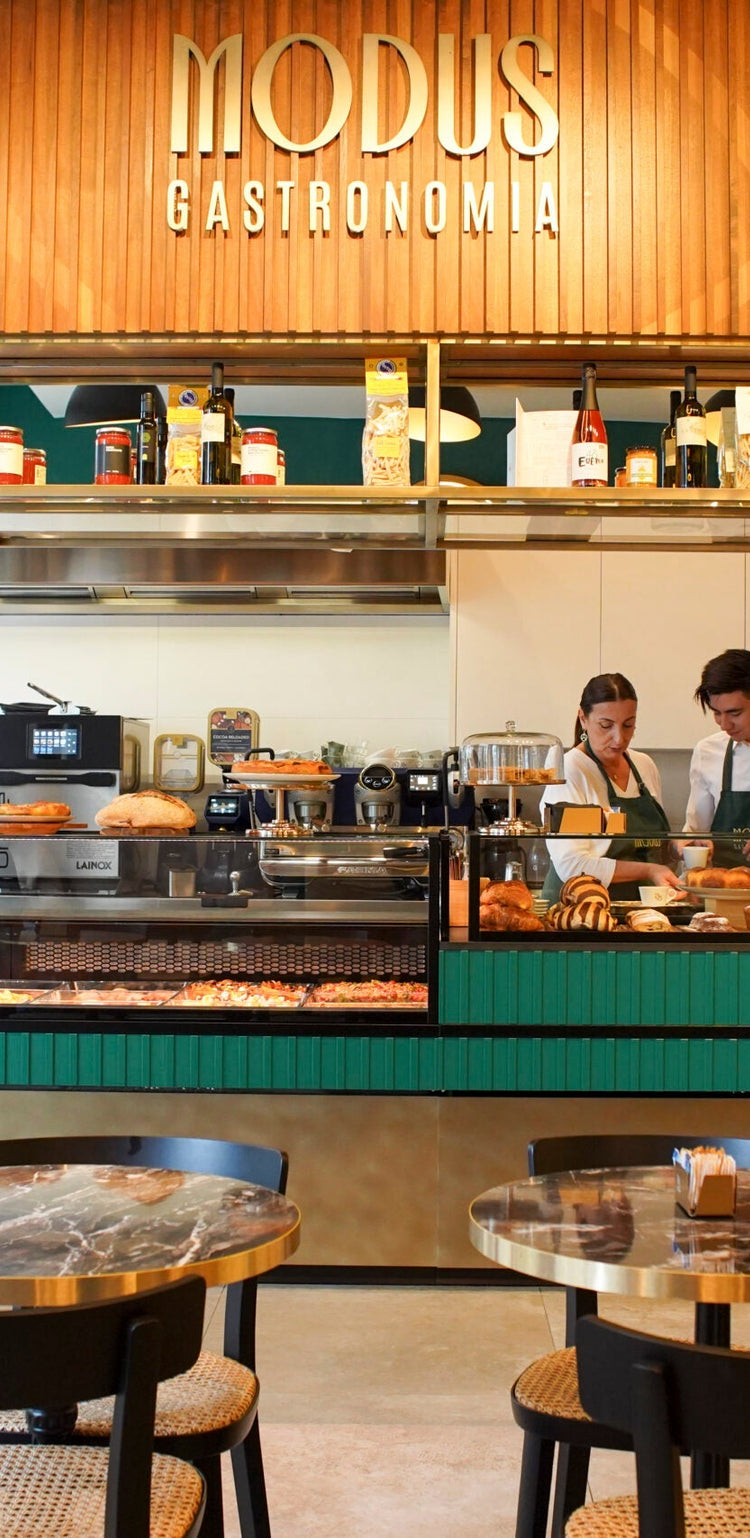
At the foot of the Alburni mountains, in the valley of the Calore River, in Controne in the province of Salerno, beans have been grown since the 1500s. That native variety, the Fagiolo di Controne, has survived to this day and is a Slow Food Presidium, recognized as one of the most distinctive and valuable legumes in southern Italy. Michele Ferrante, a farmer from Controne, grows it using the same methods as always: by hand and through crop rotation. Modus brings it to Milan because it is exactly the type of product on which the Cilento cuisine of the Mediterranean Diet is based.
What is the Fagiolo di Controne and why is it a Slow Food Presidium?
The Fagiolo di Controne is a native variety of Phaseolus vulgaris grown in the territory of the municipality of Controne (SA), at the foot of the Alburni mountains, in the Calore valley. It is a small white bean with an extremely thin skin that is almost invisible after cooking. It was introduced to Controne by the Benedictine monks of San Nicola in the first half of the 1500s.
Slow Food included the Fagiolo di Controne in its Ark of Taste and later in the Presidia because it was at risk of extinction: small-scale production, no commercial distribution, and dependence on a small number of guardian farmers. The recognition helped stabilize production and create a market for a product that would otherwise have remained limited to local consumption.
What distinguishes the Fagiolo di Controne from other beans?
The most immediate difference is the skin: that of the Fagiolo di Controne is so thin that it is almost imperceptible after cooking. This makes it exceptionally digestible compared to common beans, where the skin is the main source of digestive discomfort.
The second difference is the creaminess: the Fagiolo di Controne cooks in a much shorter time than common beans and, in unsalted water, partially dissolves, creating a naturally thick and flavorful broth without the need for thickeners. The resulting soup has a velvety consistency.
The third difference is the flavor: delicate, buttery, with a natural sweetness that makes them delicious even without elaborate seasonings. Cilento extra virgin olive oil, a little rosemary, and garlic are enough for a complete dish.
How is the Fagiolo di Controne grown?
Michele Ferrante grows the Fagioli di Controne in Controne using methods that have remained unchanged for generations. Sowing takes place in the first ten days of July. Slow Food links the quality of this bean to the spring water of the Alburni aquifer.
Harvesting is done by hand from late October to mid-November, when the pods reach full maturity. The beans are then air-dried outdoors on tarpaulins, a process that can last for weeks. The dried seeds are stored for sowing the following year, completing the cycle of the native variety.
The Fagiolo di Controne does not crossbreed well with commercial varieties: its genetic purity depends on geographic isolation and the manual selection that Ferrante performs every year on the best seeds. It is a work of variety preservation.
How is the Fagiolo di Controne cooked according to Cilento tradition?
The classic preparation is the soup: boiled in cold water over low heat with bay leaves and garlic, without the need for soaking, and seasoned with raw Cilento extra virgin olive oil at the end of cooking. Such a good bean is enhanced with simple seasonings.
The most traditional version from Cilento is lagane and beans: lagane is an unleavened fresh pasta, an ancestor of lasagna, and here it is cooked with Fagioli di Controne in a thick and flavorful broth. Lagane is an ancient pasta: Horace, in the Satires (1st century BC), mentions it cooked with chickpeas. In Cilento, lagane and legume dishes are still called lamp’ e tuon’ (lightning and thunder) because of the sound they make in the pot. The right pasta shape is Terra Dura lagane.

In summer, the Fagioli di Controne also appear cold in legume salads: with Cilento cherry tomatoes, onion, basil, and extra virgin olive oil. It is a complete, high-protein, and light summer dish.
What other legumes are part of the Cilento tradition?
Cilento has a rich legume tradition. The Ceci di Cicerale are another Slow Food Presidium: the municipality of Cicerale has carried the name of chickpeas since the Middle Ages, and its coat of arms bears the inscription Terra quae cicera alit (land that nourishes the chickpeas). The chickpeas from Cicerale are smaller and more flavorful than commercial chickpeas, with a thin skin and an intense nutty flavor.

The cicci maritati are a typical Cilento preparation: a mixture of cereals and legumes cooked together (whole wheat farro, Fagioli di Controne and borlotti, chickpeas, and grassa beans). The name comes from the Cilento dialect maritare, to marry: it is the soup that was born from the union of everything that remained in the pantry at the end of winter. It was a poor and clever cuisine, which made the most of the variety of available ingredients.
Modus Cilento legumes
Modus selects Michele Ferrante's legumes because he preserves the native varieties of Controne and Cicerale using traditional methods. The Fagioli di Controne, Ceci di Cicerale, and Cicci Maritati are available in the gastronomies.
Ferrante's legumes can be found at the Modus gastronomies in Corso Italia and Via Pirelli. They will soon also be available at your home. In winter, pair them with Terra Dura lagane for a traditional Cilento dish.
Frequently asked questions
How long does it take to cook Fagioli di Controne?
Fagioli di Controne cook in a much shorter time than common beans, over low heat in unsalted cold water. The extremely thin skin ensures a creamy consistency without falling apart.
Should Fagioli di Controne be soaked?
Soaking is optional: Michele Ferrante recommends them as a bean that cooks without soaking. Those who prefer to soak them can do so for a few hours in cold water; the soaking water should then be discarded and replaced with fresh water for cooking.
Where can I find Fagioli di Controne in Milan?
At the Modus gastronomies in Corso Italia and Via Pirelli. Fagioli di Controne are available in 300 g packages.
How should dried Fagioli di Controne be stored?
In a cool, dry place away from light. In a normal pantry, they can be stored without problems for 12 to 18 months. Avoid non-airtight containers in humid environments, which would promote the formation of mold or the proliferation of insects.